In Short: What Is Microsoft Fabric?
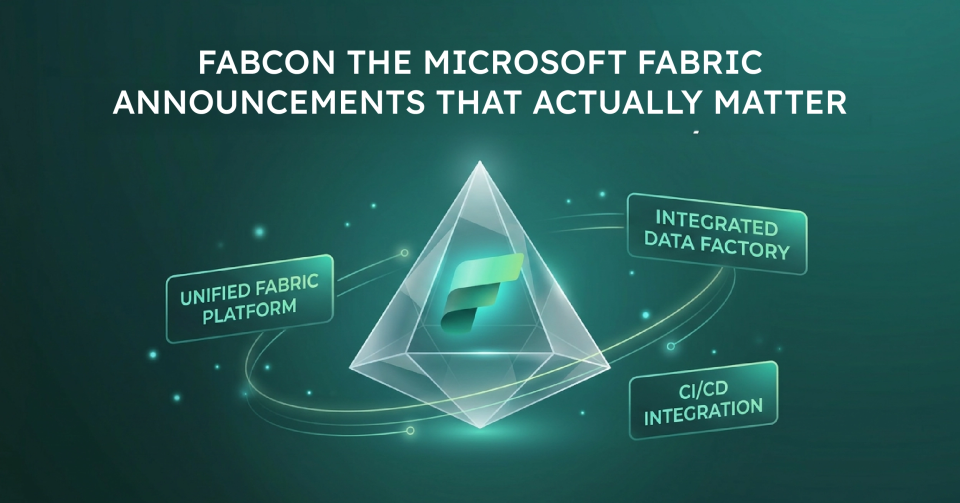
Microsoft Fabric is Microsoft’s unified, end-to-end data and analytics platform that brings data integration, engineering, warehousing, real-time analytics, and business intelligence into a single SaaS environment built on OneLake. It is designed to simplify analytics by consolidating multiple capabilities into one governed, integrated experience.
But the real story isn’t that Fabric is “another data tool.” The real story is that Microsoft is betting on a different operating model for analytics: fewer moving parts, shared data foundations, and faster time-to-value for the business.
For organizations tired of paying a complexity tax for insights, Microsoft Fabric is an opportunity to reset the data platform conversation. At Solv Systems, we see Fabric as a strategic inflection point: the moment analytics becomes a reliable product the business consumes: not a project IT constantly rebuilds.
Which Data Challenges Do Modern Organizations Face?
Most organizations don’t have a “data problem.” They have a coordination problem.
Data exists. Tools exist. Teams exist. Yet decision-making often still relies on:
- Manual extracts
- Inconsistent definitions
- Duplicated datasets
- Dashboards that don’t agree
Why Are Data Silos an Organizational Problem?
When finance, operations, sales, and product each maintain their own datasets and logic, the business ends up debating numbers instead of acting on them. That friction is expensive: and largely invisible on traditional budgets.
How Does Tool Sprawl Affect Strategy?
Adding another platform might solve an immediate need, but over time it creates more integration points, more security surfaces, and more dependency on scarce specialists. Eventually, analytics becomes fragile, and the business starts planning around reporting delays instead of real-time insight.
What Is Microsoft Fabric?
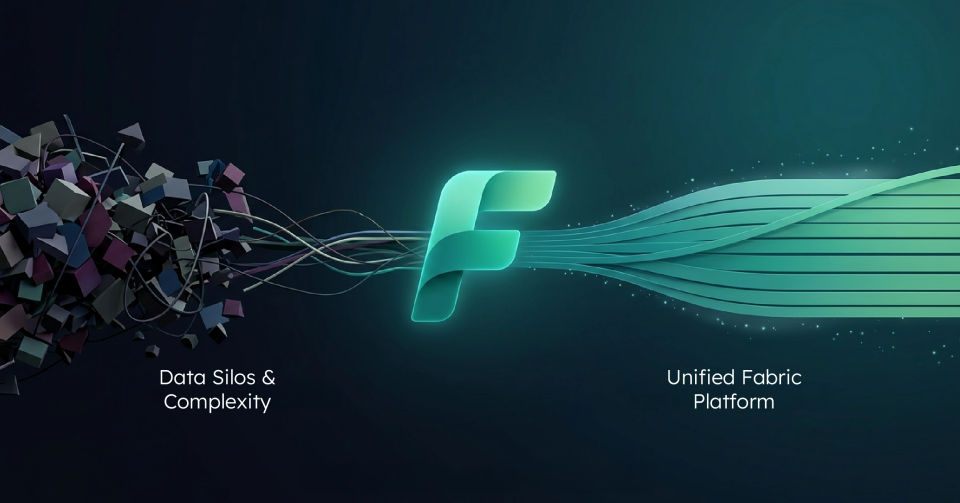
Microsoft Fabric is a unified analytics platform designed to collapse the “many-tools problem” into one integrated ecosystem. It combines capabilities that typically live across multiple products and teams:
- Ingestion and orchestration
- Data engineering
- Lakehouse and warehousing
- Real-time analytics
- Power BI–based reporting and visualization
Fabric is built on OneLake: a single, logical data lake foundation intended to reduce duplication and make datasets more reusable across teams.
What Are the Key Components of Microsoft Fabric?
OneLake
A centralized, logical data lake that serves as the shared foundation for analytics workloads across the tenant, similar to how OneDrive centralizes files.
Data Factory
Connectors and pipelines to ingest, orchestrate, and automate data movement and transformation from multiple sources.
Synapse Data Engineering
Spark-based capabilities for large-scale data transformations and preparation, enabling advanced data engineering scenarios.
Synapse Data Warehouse
SQL-based analytics optimized for structured enterprise workloads where performance, reliability, and governance are critical.
Real-Time Analytics
Streaming ingestion and event-driven analytics for operational intelligence and near real-time scenarios.
Power BI (Native)
Business intelligence embedded directly into the platform, enabling governed reporting, semantic models, and self-service analytics without constant data exports.
What Specific Business Problems Does Microsoft Fabric Solve?
1. It Reduces the Complexity Tax: Most analytics delays are caused by complexity: too many tools, too many handoffs, too many moving parts. 2. It Stops the “Multiple Versions of the Truth” Cycle: Fabric’s OneLake model encourages a shared foundation where data assets are reused rather than rebuilt. 3. It Shortens the Distance Between Data and Decisions: When ingestion, modeling, and reporting live in one ecosystem, the feedback loop tightens. 4. It Makes Governance Practical (Not Optional): Fabric centralizes many governance and compliance capabilities, standardizing access across the data lifecycle. 5. It Lowers Long-Term Cost by Reducing Rework: Reusing assets cuts 50-70% of pipeline maintenance costs.
Who Is Microsoft Fabric For?
Fabric is a strong fit for organizations that want to move from “reporting” to “data as an operational capability,” especially if they are:
- Already invested in Microsoft 365, Power BI, or Azure.
- Modernizing legacy BI and data warehousing.
- Consolidating tools and data teams.
- Scaling governance and compliance requirements.
- Building a foundation for AI-ready, governed data.
What Is the Strategic Point Most Organizations Miss?
The platform matters: but the operating model matters more. High-performing organizations treat analytics as a managed product: owned, governed, and continuously improved.
This is where Fabric implementations ultimately succeed or fail. It requires leadership decisions about metric ownership, data accountability, and trust.
Why Work With Solv Systems for Microsoft Fabric Consulting?
At Solv Systems, our Microsoft Fabric consulting approach focuses on outcomes and sustainability.
- Strategy Before Architecture: We start with the business questions that matter.
- Architecture That Scales: We design modular architectures built to reduce rework.
- Governance and Adoption: We prioritize security boundaries and metric ownership.
- A Practical Path to Value: We prioritize quick wins that compound over time.